If you’ve spent any time looking at homes in Venice, you’ve probably noticed that price tags can shift fast from one block to the next. In this neighborhood, square footage matters, but it is rarely the whole story. Architecture, layout, light, and outdoor living all shape how buyers respond to a home and what they are willing to pay. If you want to understand Venice home values more clearly, it helps to look at design the way the market does. Let’s dive in.
Venice Is a Design-Sensitive Market
Venice is a high-value market where presentation and property character carry real weight. In May 2026, Zillow estimated the average Venice home value at $1.85 million, Redfin reported a median sale price of $1.95 million, and Realtor.com showed a median listing price of $2.25 million.
Those numbers matter, but the spread within Venice may matter even more. Realtor.com reports median listing prices of about $4.18 million in Milwood, $3.35 million in the Venice Canals, $3.24 million in Venice Beach, $2.20 million east of Lincoln, and $2.15 million in Oakwood. That range suggests buyers are not valuing homes by size alone. Setting, lot pattern, and architectural identity also shape demand.
Why Architecture Matters in Venice
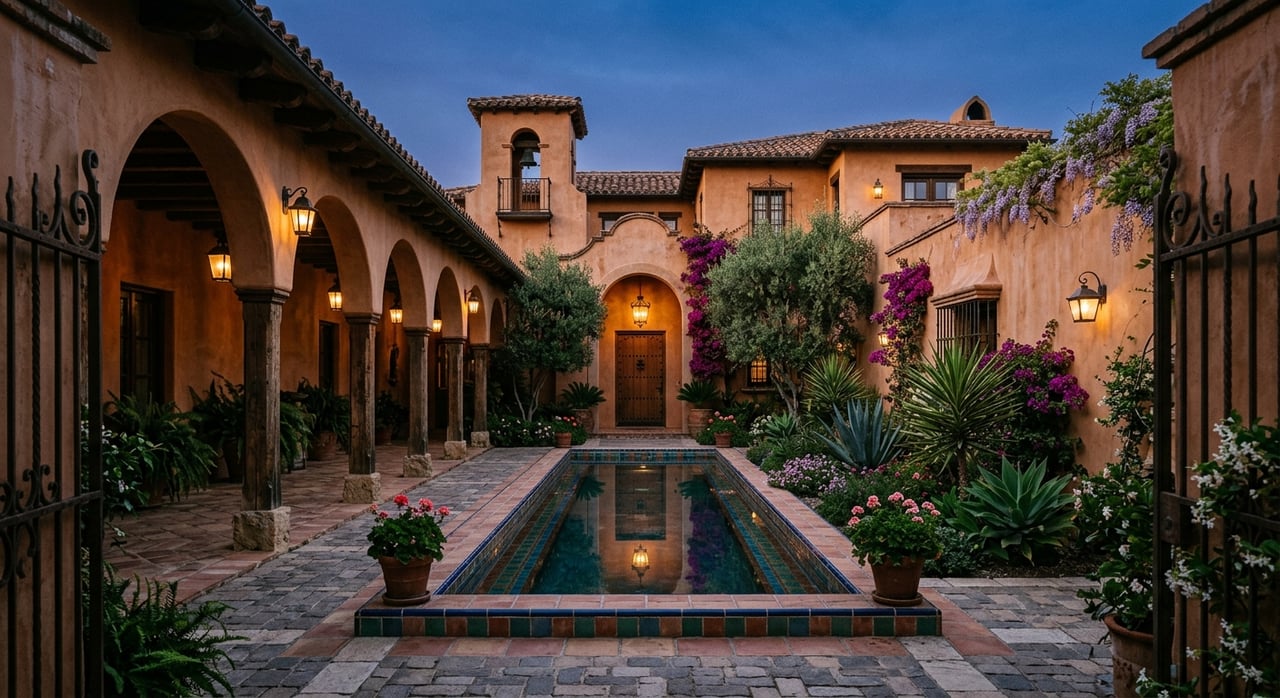
In Venice, architecture is part of the product. The neighborhood has early-1900s residential roots and a mix of Craftsman, shingle, Prairie, Streamline, late modern, and postmodern design documented in city planning materials and SurveyLA.
Venice is also shaped by planning tools that go beyond basic zoning. The Venice Community Plan, Venice Coastal Zone Specific Plan, Venice Coastal Land Use Plan, and Lincoln Boulevard Community Design Overlay all influence how development and design are reviewed. The ongoing Venice Local Coastal Program update is intended to improve predictability and add standards specific to coastal development.
That planning context matters because buyers often respond to homes that feel connected to Venice rather than interchangeable with any other part of Los Angeles. When a home reflects the neighborhood’s design history while still functioning well for modern living, it usually stands out.
Micro-Neighborhoods Can Change Value
Some of Venice’s strongest pricing pockets are also its most place-specific. The Venice Canals, walk streets, and Milwood have distinct physical patterns that buyers recognize right away.
City survey and policy materials identify the Lost Venice Canals Historic District, the North Venice Walk Streets Historic District, and the Milwood Venice Walk Streets Historic District as preserved forms that help define Venice. These areas are known for features like pedestrian-oriented blocks, narrow lots, mature vegetation, bridges, and unusual street patterns.
For buyers, that kind of setting can feel hard to replicate. For sellers, it means the home’s relationship to its surroundings can be part of the value story. A property that fits its micro-neighborhood well often has an edge over one that feels out of sync.
Original Homes: Character Still Counts
Venice survey materials repeatedly identify Craftsman and other vernacular homes from the 1910s through the 1930s. These homes tend to draw interest when their original scale and character are still legible.
That does not mean every older home should remain untouched. It means buyers often respond best when updates improve function without erasing what made the home distinctive in the first place. In practical terms, authenticity can be part of the buying proposition.
If you own an original bungalow or Craftsman, the goal is usually not to make it feel brand new in a generic way. It is to preserve the architectural story while making daily living easier and more comfortable.
Walk-Street and Canal Homes Have a Unique Premium Story
Walk-street and canal homes are some of the clearest examples of how design and setting work together in Venice. Their value is tied not just to the house itself, but to the full experience of the block, the lot pattern, and the pedestrian environment.
Because these homes sit in uncommon, highly place-specific settings, buyers often expect the interiors to live up to the exterior promise. When the inside feels dated, awkward, or disconnected from the setting, the premium can soften. When the interior condition supports the exterior character, the value case becomes much stronger.
In other words, rarity helps, but livability still closes the gap between interest and price.
Layout and Natural Light Influence Buyer Demand
Floor plan and light are major value signals in almost any market, and that is especially true in Venice. Open floor plans often feel larger, spread natural light more effectively, and give buyers flexibility in how they use a home.
That said, open layouts have tradeoffs. They can reduce privacy, increase noise, and feel less appealing if the design goes too far or lacks definition. In Venice, that means a smart layout matters more than simply removing walls.
Homes that tend to perform well often balance openness with function. Buyers usually respond to spaces that feel bright, flexible, and easy to live in, not just dramatic in photos.
Contemporary Design Can Boost Appeal
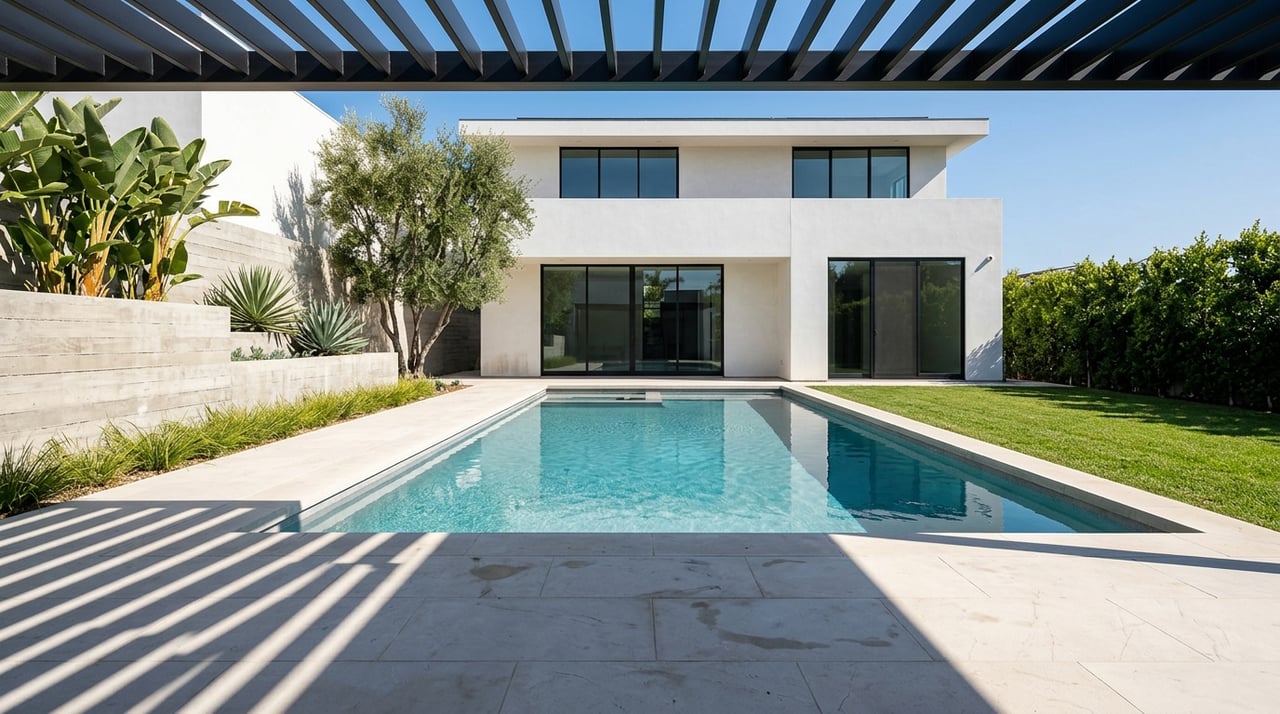
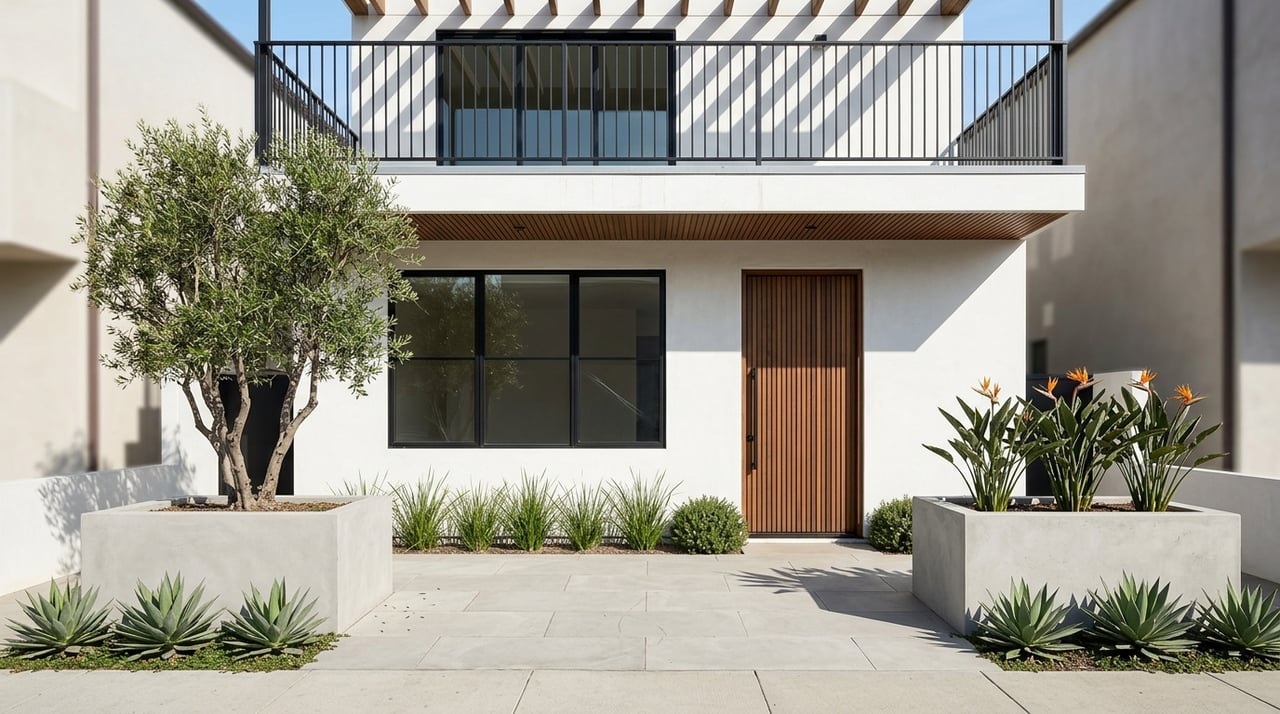
Modern finishes can support a premium when they feel high quality and intentional. Zillow research has associated features such as matte black finishes, white oak flooring, soapstone counters, beverage centers, and rounded corners with stronger buyer response.
In Venice, those details tend to work best when they fit the home and its setting. A contemporary finish package usually performs better when it feels considered and cohesive, not simply trendy.
That distinction matters in a neighborhood where design literacy runs high. Buyers often notice when materials, proportions, and finishes feel thoughtful. They also notice when updates feel generic or disconnected from the architecture.
Outdoor Living Is a Real Value Driver
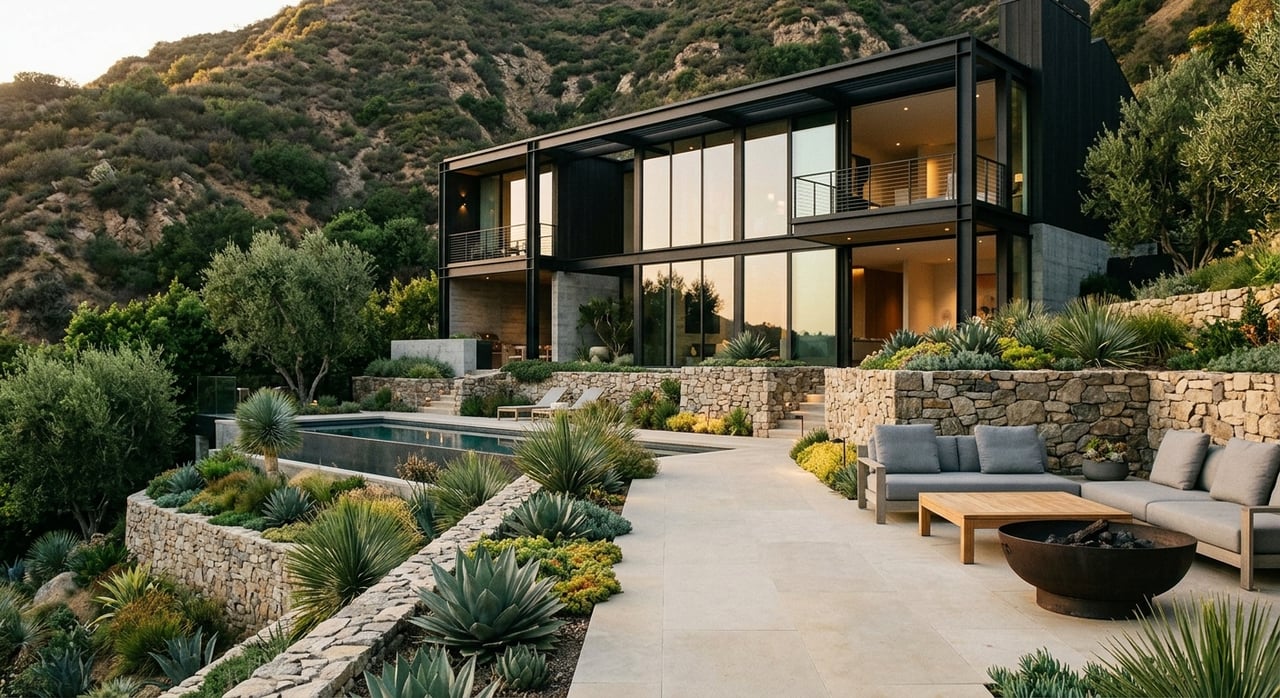
Outdoor space is not just a bonus feature in Venice. In a coastal neighborhood, it is often part of how buyers judge the home’s overall livability.
Zillow’s 2024 feature study found that homes with an outdoor TV sold for 3.1% more than expected. The same research found premiums tied to features like outdoor showers, pizza ovens, bluestone patios, and outdoor kitchens. Landscaped homes sold for about 2% more, while outdoor lighting was associated with a 1.2% premium.
That helps explain why terraces, usable yards, and outdoor rooms can carry outsized value in Venice. When exterior spaces feel like a natural extension of the interior, buyers often see more than an amenity. They see a more complete lifestyle product.
Presentation Helps Buyers Understand the Design
In a design-forward market, presentation does more than make a home look polished. It helps buyers understand how the home lives.
According to NAR’s 2025 Profile of Home Staging, 83% of buyers’ agents said staging makes it easier for buyers to visualize a property as a future home. The living room, primary bedroom, and kitchen were identified as the most important spaces to stage, and photos, physical staging, videos, and virtual tours were all rated as important listing tools.
For Venice sellers, that reinforces a simple point. Good design only creates value if buyers can see it clearly. Smart presentation can reveal light, clarify layout, and connect indoor and outdoor spaces in a way that supports stronger pricing.
What Sellers Should Focus On
If you are preparing to sell in Venice, the best improvements often depend on the home’s architecture and buyer pool. The strongest strategy is usually the one that protects what is distinctive while improving what buyers use every day.
For many sellers, that means focusing on:
- Preserving original architectural character where it adds identity
- Improving layout flow and natural light where possible
- Upgrading the living room, kitchen, primary suite, and outdoor areas
- Choosing finishes that feel high quality and coherent
- Avoiding over-renovation that strips away the home’s sense of place
- Presenting the home with strong photography, staging, and clear visual storytelling
In Venice, value often comes from design alignment more than design excess. The goal is not to impress everyone. It is to connect the home with the buyers most likely to pay a premium for it.
What Buyers Should Watch For
If you are buying in Venice, it helps to look beyond headline finishes. A home may photograph beautifully but still have tradeoffs that affect long-term satisfaction and resale strength.
Pay close attention to:
- How the layout handles privacy and noise
- Whether natural light reaches the main living spaces
- How well the indoor and outdoor areas connect
- Whether renovations feel true to the home’s architecture
- How the home fits its immediate block or micro-neighborhood
The most compelling Venice homes often combine strong architecture with modern function. That mix can make a home more enjoyable now and more resilient when it is time to sell later.
Venice Values Are About Fit
Architecture alone does not determine home value in Venice. Price is shaped by a combination of design, location, layout, light, usable outdoor space, and how much of the neighborhood’s original character remains visible.
Still, architecture plays an outsized role because it affects how a home feels, how it fits its setting, and how clearly buyers can see its value. In a neighborhood where design identity is part of the appeal, the homes that tend to stand out are the ones that pair strong architecture with livability and a clear sense of place.
If you are thinking about selling, buying, or repositioning a Venice property, a strategic design lens can make a meaningful difference. For tailored guidance on how to present and position your home in today’s Westside market, connect with Alphonso | Bjorn.
FAQs
How does architecture affect Venice home values?
- Architecture can influence buyer demand in Venice by shaping character, livability, and fit with the surrounding block or micro-neighborhood.
Do historic-style homes sell well in Venice?
- Original bungalows and Craftsman homes often appeal most when their original scale and architectural character remain visible while the interior still supports modern living.
Why are Venice Canals and walk-street homes priced higher?
- Canal and walk-street homes can command stronger pricing because their settings are rare, place-specific, and closely tied to Venice’s identity.
What design features matter most for Venice buyers?
- Layout, natural light, indoor-outdoor flow, usable outdoor space, and high-quality, intentional finishes tend to matter most.
Does staging matter when selling a Venice home?
- Yes. Staging can help buyers visualize how the home lives, especially in key spaces like the living room, kitchen, and primary bedroom.
Should you renovate before selling a Venice property?
- In many cases, targeted improvements work better than over-renovation, especially when they preserve character and improve everyday function.