A Beverly Hills property can look like a teardown on paper and still be worth more as a smart repositioning play. That is because redevelopment value here is not just about lot size or price per square foot. It is also about review paths, area rules, topography, trees, and whether the next buyer will reward a full rebuild or a more strategic upgrade. If you are preparing to sell, buy, or evaluate a site in Beverly Hills, understanding those variables can help you position the property more accurately and more profitably. Let’s dive in.
Why redevelopment value is different in Beverly Hills
In Beverly Hills, entitlement friction can shape value almost as much as the land itself. The city separates single-family properties into the Central Area, Hillside Area, and Trousdale Estates, and each category carries different rules that can change what is realistic.
That means two properties with similar square footage can have very different redevelopment stories. One may support a straightforward remodel, while another may face design review, grading limits, or pad restrictions that affect time, cost, and buyer appetite.
For sellers, this matters because the best pricing and marketing strategy starts with the likely path forward. For buyers and developers, it matters because the highest and best use is not always the most obvious one.
Start with the property’s area designation
The first question is simple: where does the property sit within Beverly Hills' single-family framework? In the Central Area, visible exterior work such as painting, window replacement, and new houses goes through design review. In the Hillside Area, there is no design review, but landform and view protections are stronger.
Trousdale Estates adds another layer. There, the code limits construction to the level pad and does not allow regrading to increase pad height, which can narrow the range of redevelopment outcomes.
This is why area designation should come before any pricing assumptions. A seller who markets a property as an easy redevelopment site without accounting for these distinctions may attract the wrong buyers, miss the right ones, or price the property against unrealistic expectations.
Central Area value depends on review and context
In the Central Area, redevelopment value is closely tied to context. The design review process is intended to maintain neighborhood character, street scale and massing, and garden quality. That makes this area especially sensitive to how a project looks and fits on the block.
The location relative to Santa Monica Boulevard also matters. Beverly Hills applies different height, setback, garage, and ADU standards depending on whether a property is north or south of Santa Monica Boulevard, so these locations are not interchangeable when you assess potential.
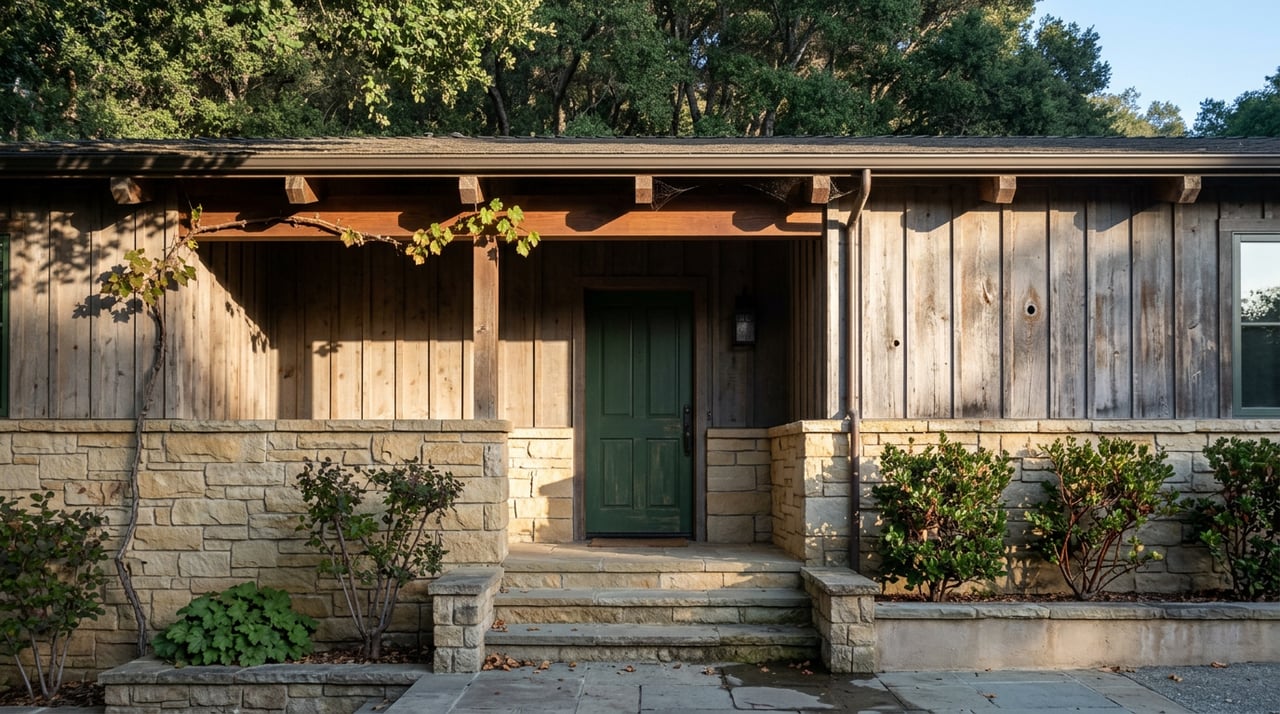
For some properties, that means a design-forward remodel or light repositioning can create a cleaner path to value than a full teardown. If the existing architecture is strong and the site is in a review-sensitive setting, buyers may respond better to a property with a clear, realistic story rather than an overly aggressive redevelopment pitch.
Why Track 1 can matter
In the Central Area, Track 1 design review is available only when the project is designed by a licensed California architect and qualifies as a pure architectural style. That can affect both timeline expectations and the type of end product a buyer envisions.
If a property has strong bones and a style that can be elevated rather than erased, that can become part of the value narrative. In Beverly Hills, good positioning is often about reducing uncertainty as much as showcasing upside.
Hillside and Trousdale require a different lens
In the Hillside Area, the redevelopment conversation usually starts with floor area, grading, and views. Default height is 26 feet, and extra height or changes to setbacks require the Hillside R-1 process. On a flatter lot elsewhere, those same design goals may be easier to achieve.
Topography can quickly divide a workable site from an expensive one. A property that appears promising from the street may involve cut-and-fill constraints or view-preservation issues that change the economics of a larger build.
In Trousdale Estates, the level pad is often the key constraint. Because construction is limited to the pad and the code prohibits regrading to increase pad height, the value conversation tends to center on what can be created within that existing footprint rather than on major expansion assumptions.
For sellers, that means your buyer pool may be responding to architecture, orientation, and execution quality as much as raw land potential. Accurate positioning helps serious buyers underwrite the opportunity faster.
Lot size, frontage, and shape still drive value
Redevelopment value still begins with the lot itself. If the exit strategy includes subdivision analysis or an SB 9 comparison, Beverly Hills has strict frontage and area standards in its subdivision rules.
In general, the city requires at least 90 feet of frontage and 13,000 square feet in the central zone, 50 feet of frontage and 7,500 square feet in the southerly zone, and 100 feet of frontage and 43,560 square feet in the northerly zone. Those thresholds can shape how a buyer sees the site and what options feel credible.
Lot width, depth, and shape also matter beyond subdivision. In the Central Area, lots may not exceed the average width and depth of other lots on the same block without a Central R-1 permit, and a single-family development generally may not occupy more than one lot.
That means a large parcel is not always as flexible as it first appears. The right analysis looks at size, frontage, shape, and the specific area rules together.
Parking and garage planning affect feasibility
Parking is not a minor detail in Beverly Hills redevelopment. In the Central Area, required parking increases with bedroom count, required spaces cannot be placed in the front yard or street-side yard, and each single-family proposal must include a landscaping plan designed to maintain the city’s garden quality.
For sellers, this can influence how buyers evaluate the cost and complexity of a project. A site that supports a clean garage and landscape solution may command stronger interest than a property where those basics become difficult to solve.
Historic and tree issues can change the math
Older homes in Beverly Hills need careful screening before anyone assumes demolition is the best use. The city uses HRARs to determine whether a project could affect a historic resource under CEQA, and designated historic properties can require a Certificate of Appropriateness or may qualify for a Historic Incentive Permit.
Tree protection can also affect timelines and budgets. Protected native, heritage, and urban-grove trees on private property, especially trees located between the house and the street, may require a tree removal permit.
These issues do not automatically kill redevelopment value. They do, however, change how the opportunity should be priced, marketed, and negotiated. In some cases, they point toward a lighter, design-led repositioning strategy instead of a full teardown thesis.
ADUs and SB 9 can expand the value story
Not every Beverly Hills property should be positioned around a replacement house. State-law options still matter, and Beverly Hills has adopted additional local SB 9 standards along with an updated ADU ordinance in late 2024.
According to the California Department of Housing and Community Development, SB 9 requires ministerial approval for up to two primary units, a two-parcel split, or both, subject to the law and local standards. That makes SB 9 a relevant comparison point when a site appears to have the right dimensions and access.
ADU potential can also support value, especially on larger lots. Beverly Hills' Incentive ADU program applies to single-family lots of 13,000 square feet or more, and on sites of 24,000 square feet or more accessory buildings can be placed more flexibly if approved through a Central R-1 permit.
For sellers, the takeaway is practical: the best redevelopment pitch may be broader than teardown economics alone. A buyer may value optionality, not just one headline scenario.
What luxury buyers may reward now
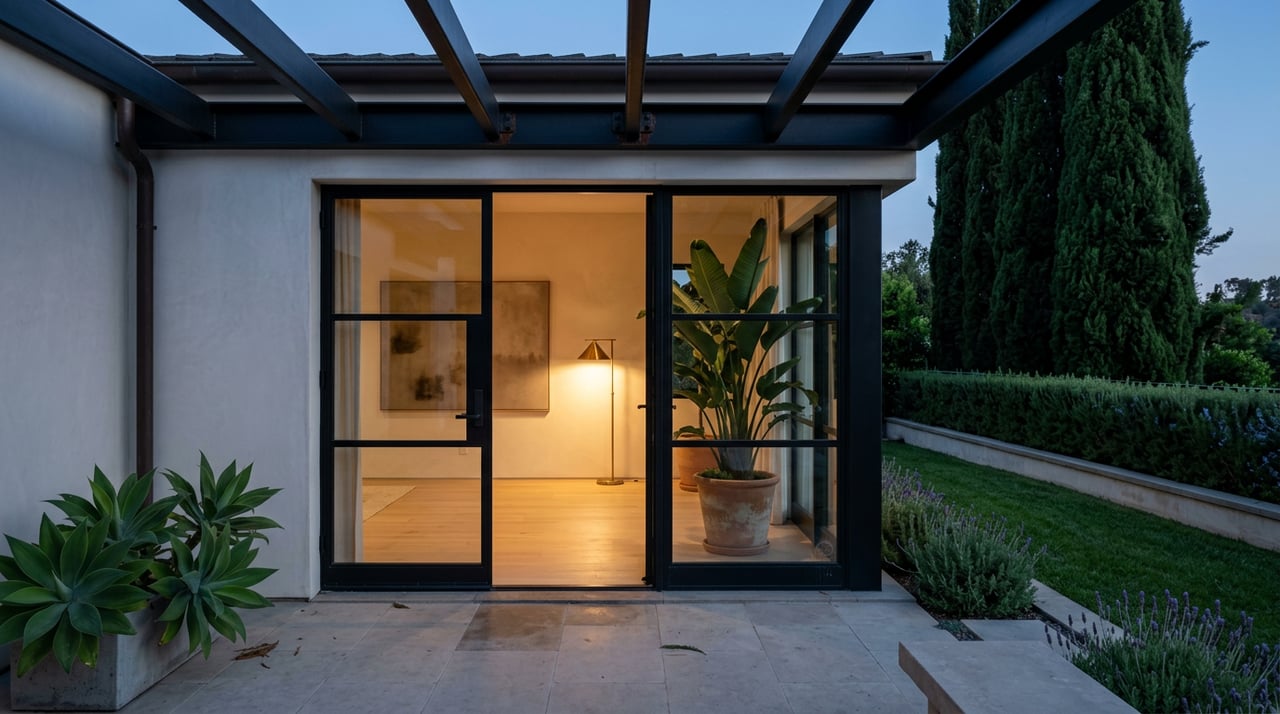
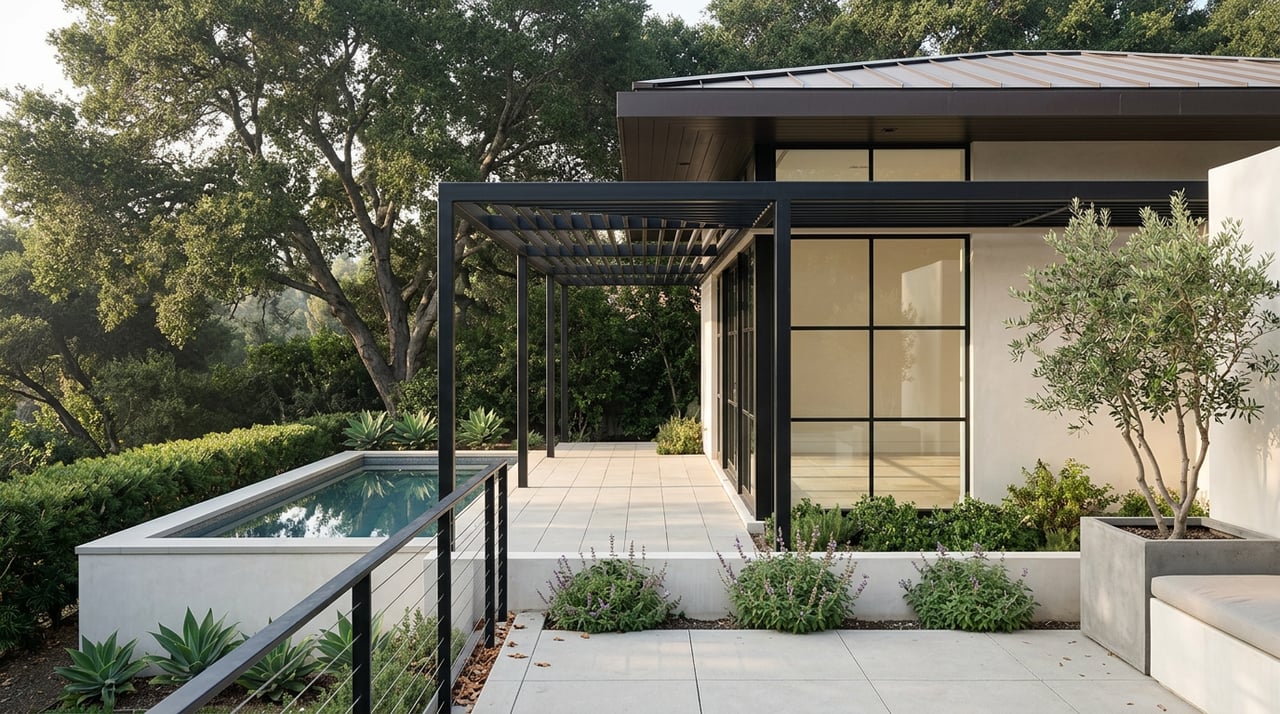
Recent design trend reporting points to a lifestyle-first market. Surveys and trend reporting for 2025 highlight outdoor living, blended indoor-outdoor spaces, flexible rooms, wellness-oriented spaces, and intentional design.
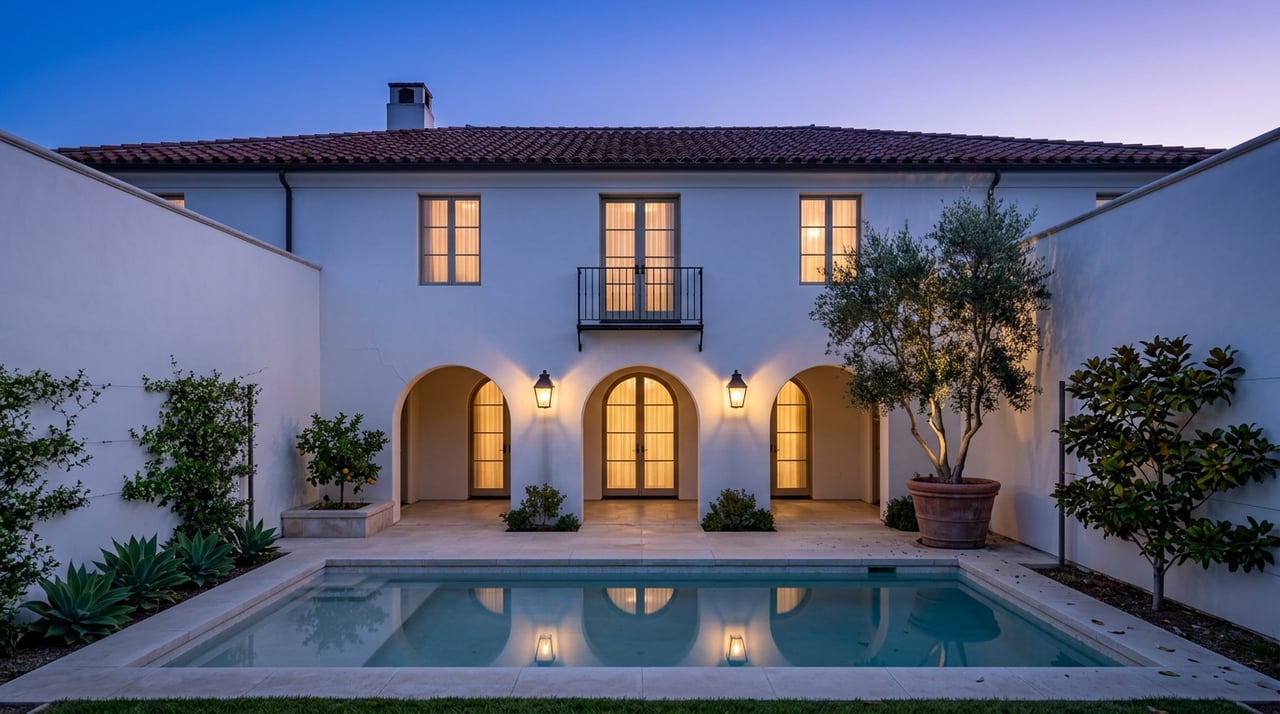
In Beverly Hills, that typically aligns with indoor-outdoor flow, well-planned outdoor rooms, flexible office or guest space, spa-like primary suites, and strong landscape presentation. That direction also fits with the city’s emphasis on scale, massing, and garden quality in review-sensitive areas.
This is one reason a thoughtful repositioning can outperform a more expensive redevelopment plan on certain sites. If the architecture is appealing and the lot has meaningful constraints, buyers may pay more for a finished, well-edited product than for a complicated project with a long approval path.
How to position a Beverly Hills property for maximum value
The strongest redevelopment positioning usually answers a short list of questions clearly and honestly:
- Which single-family area applies: Central, Hillside, or Trousdale?
- Is the property north or south of Santa Monica Boulevard where that distinction affects standards?
- Does the lot have the frontage, area, shape, and parking capacity to support the likely plan?
- Are there historic-resource or protected-tree issues that could add time or limit demolition?
- Does the site support a remodel, an ADU strategy, an SB 9 path, or a full redevelopment more convincingly?
- Will end buyers reward a contextual, design-forward repositioning more than a teardown narrative?
For a high-value property, these answers should shape both pricing and presentation. The goal is not to oversell theoretical upside. It is to tell the most credible value story to the most relevant buyer pool.
In our experience with Westside luxury positioning, properties tend to perform best when the strategy matches the real constraints and the likely buyer mindset. That is especially true in Beverly Hills, where nuance can separate a premium sale from a stale listing.
If you are preparing to sell a Beverly Hills property with redevelopment potential, the right pre-market analysis can help you decide whether to emphasize land, architecture, optionality, or a targeted repositioning plan. For a strategic review of how to present your property to the market, connect with Alphonso | Bjorn.
FAQs
How do Beverly Hills area designations affect redevelopment value?
- Beverly Hills separates single-family properties into the Central Area, Hillside Area, and Trousdale Estates, and each has different rules that can affect design review, grading, views, level-pad limits, and overall redevelopment feasibility.
What matters most when evaluating a Beverly Hills lot for redevelopment?
- The key factors include area designation, location relative to Santa Monica Boulevard, lot frontage, lot size, width and depth, topography, parking layout, and whether the site can realistically support the intended project.
Can historic review affect a Beverly Hills teardown plan?
- Yes. Beverly Hills uses HRARs to evaluate whether a project could affect a historic resource under CEQA, and designated historic properties may require additional review such as a Certificate of Appropriateness.
Do protected trees affect Beverly Hills redevelopment potential?
- Yes. Protected native, heritage, and urban-grove trees on private property, especially between the house and the street, may require a tree removal permit and can affect project timing and design choices.
Is a remodel sometimes better than a full rebuild in Beverly Hills?
- Yes. In review-sensitive areas or on constrained lots, a light or moderate repositioning can sometimes create a stronger value outcome than a teardown, especially when the existing architecture is appealing.
Do ADUs or SB 9 add value for Beverly Hills properties?
- They can. Beverly Hills has local SB 9 standards and an updated ADU ordinance, and larger single-family lots may have additional ADU opportunities that expand how buyers evaluate the property.