Wondering whether a classic Venice bungalow or a sleek modern home fits you better? In Venice, that choice shapes more than your design style. It affects how you move through your day, how connected you feel to the block, and how your home supports work, entertaining, and coastal living. If you are comparing architectural character with modern function, this guide will help you understand how the lifestyle really differs. Let’s dive in.
Why Venice Feels So Distinct
Venice is not one single housing experience. It is a layered neighborhood shaped by beach access, historic enclaves, destination corridors, and a long tradition of creative reinvention. That helps explain why two homes only a few blocks apart can live very differently.
The neighborhood’s planning context also matters. The Venice Community Plan in effect was adopted in 2000, and an update process is underway. Official planning documents also point to the Venice Coastal Land Use Plan and related maps, which means housing decisions here are shaped by neighborhood-specific rules, not just broad citywide standards.
Location is a major part of the lifestyle equation. Venice has walk streets, bike paths, bike-share, and several bus lines, but it is not centered around a major Metro station. In practical terms, that makes your exact block, and not just your home style, a major factor in your daily routine.
Classic Venice Homes: Character and Street Connection
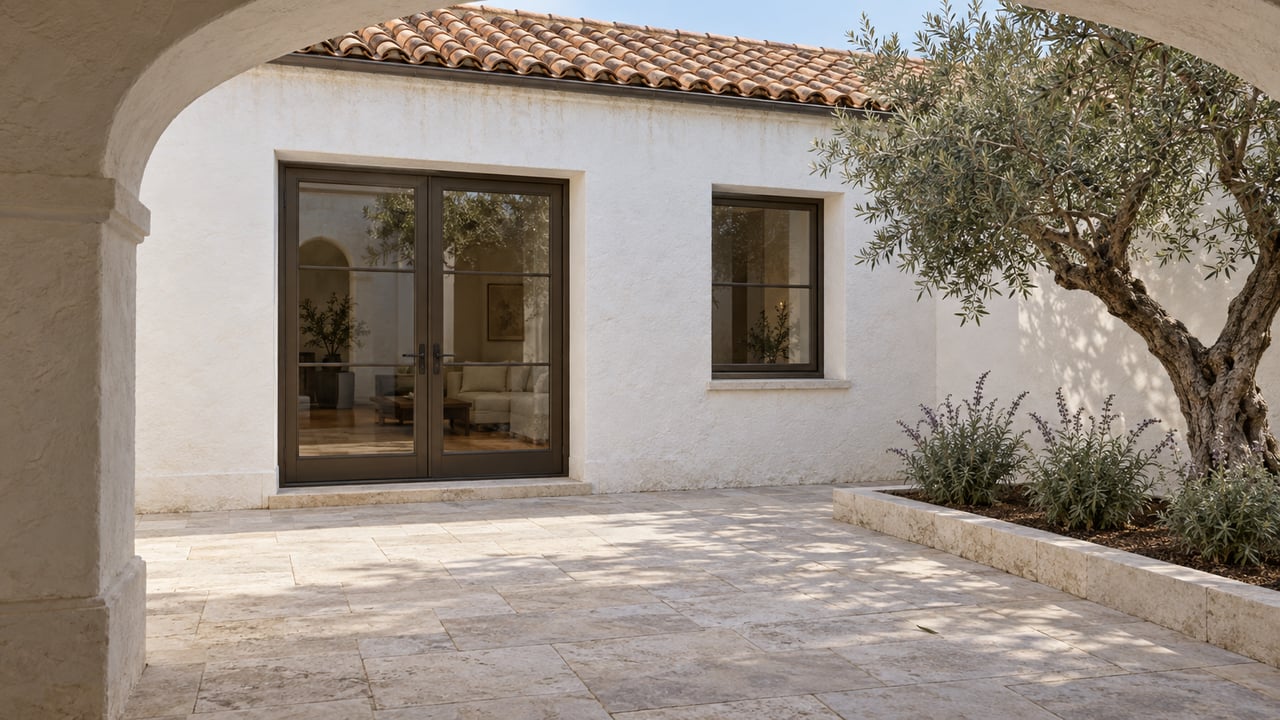
Classic Venice homes often include older bungalows, beach cottages, bungalow courts, canal-area homes, and other early residential forms. Many of these homes were built around walk streets, shared courtyards, or the canal system. That physical layout creates a more intimate relationship with the outdoors and the surrounding block.
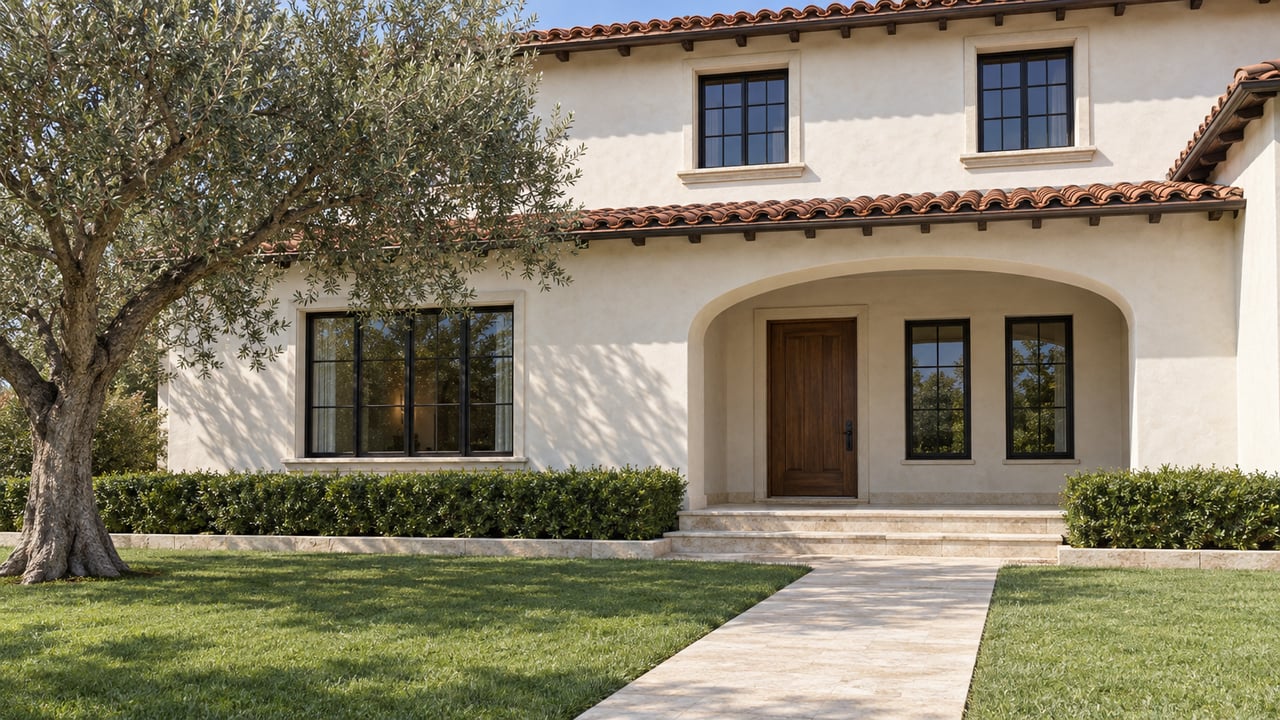
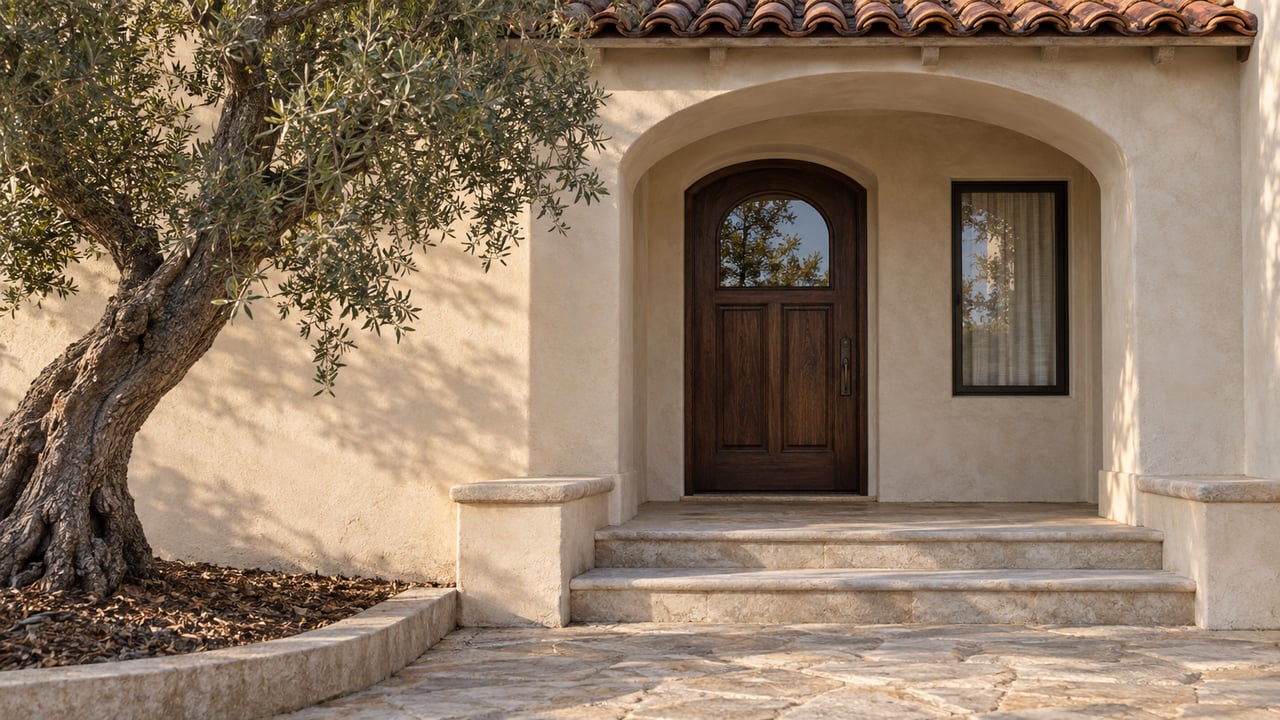
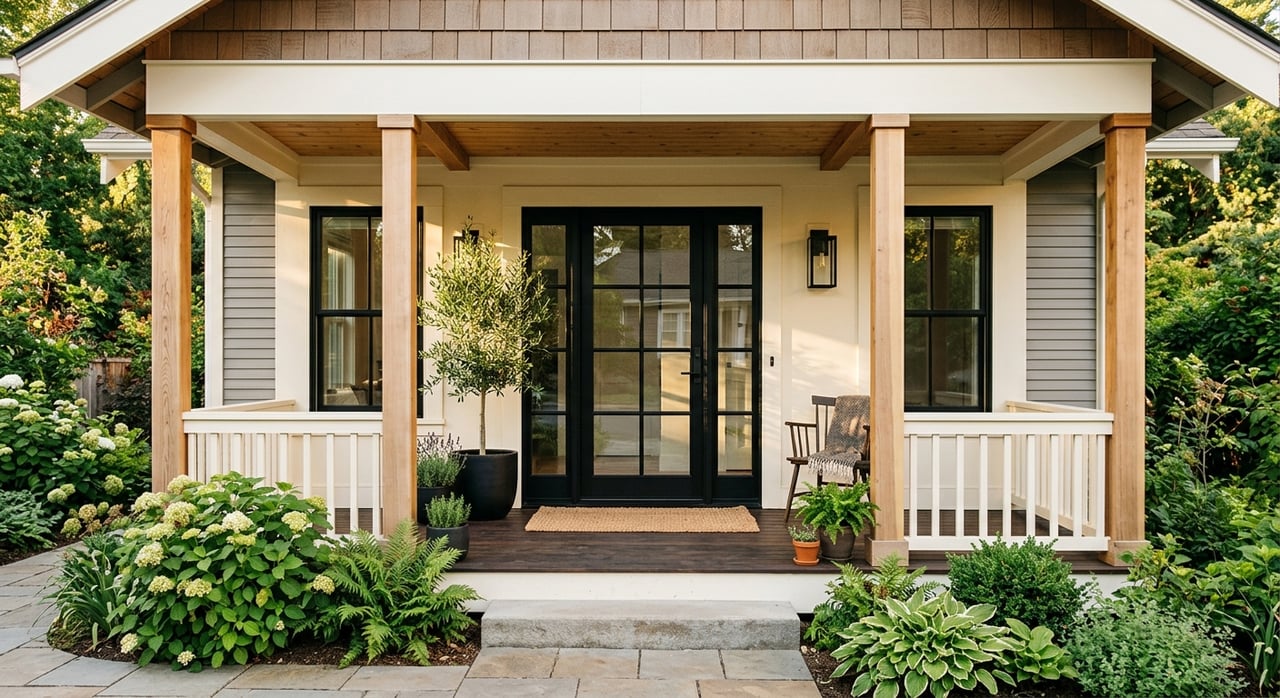
The California bungalow is especially tied to warm-climate living. It is typically a one-story home with a sloping roof and often a porch or veranda. In Venice, that porch-oriented design can make daily life feel a little more relaxed and a little more connected to the street.
In places like the walk street districts, the setting is a big part of the appeal. Planning documents note that Milwood Venice Walk Streets and North Venice Walk Streets were developed around walk streets, while Lost Venice Canals grew around a canal system. These layouts create a different rhythm than a more conventional city block with front driveways and wider separations between homes.
What daily life feels like
Classic Venice living often centers on smaller-scale rooms, mature landscaping, and outdoor spaces that feel personal rather than expansive. You may spend more time on a porch, in a front garden, or moving through a shared courtyard. The experience can feel social without being formal.
Marco Place Court is a strong example of this pattern. It is a Spanish Colonial Revival bungalow court organized around pedestrian-only walk streets, with homes facing a shared courtyard and cars kept behind the residences. That type of plan supports a lifestyle where the home does not feel sealed off from its setting.
Planning guidance in Venice reinforces that character. The draft plan calls for preserving the scale, landscaping, and traditional bungalow court or courtyard apartment layout in new infill, while also emphasizing front-yard landscapes and limiting unnecessary paving. That tells you a lot about what people value in these classic environments.
Who tends to prefer classic homes
If you are drawn to architectural character, texture, and a more neighborhood-facing layout, classic Venice homes often stand out. They tend to suit buyers who value charm, modest scale, and a home that feels tied to the history of the area. In lifestyle terms, the appeal is often less about dramatic interior volume and more about atmosphere.
The canal-adjacent historic areas also fit this classic category. The Venice Canal Historic District traces back to the man-made canals built in 1905 as part of Abbot Kinney’s Venice of America plan. For some buyers, that kind of historical setting is central to the home’s value and daily appeal.
Modern Venice Homes: Light, Openness, and Flexibility
Modern Venice homes tell a different story. Venice has long been a place where architects experimented with late modern and postmodern design, especially from the 1970s and 1980s onward. Vacant lots, adaptive reuse, and a strong local creative culture helped make contemporary design feel native to the neighborhood.
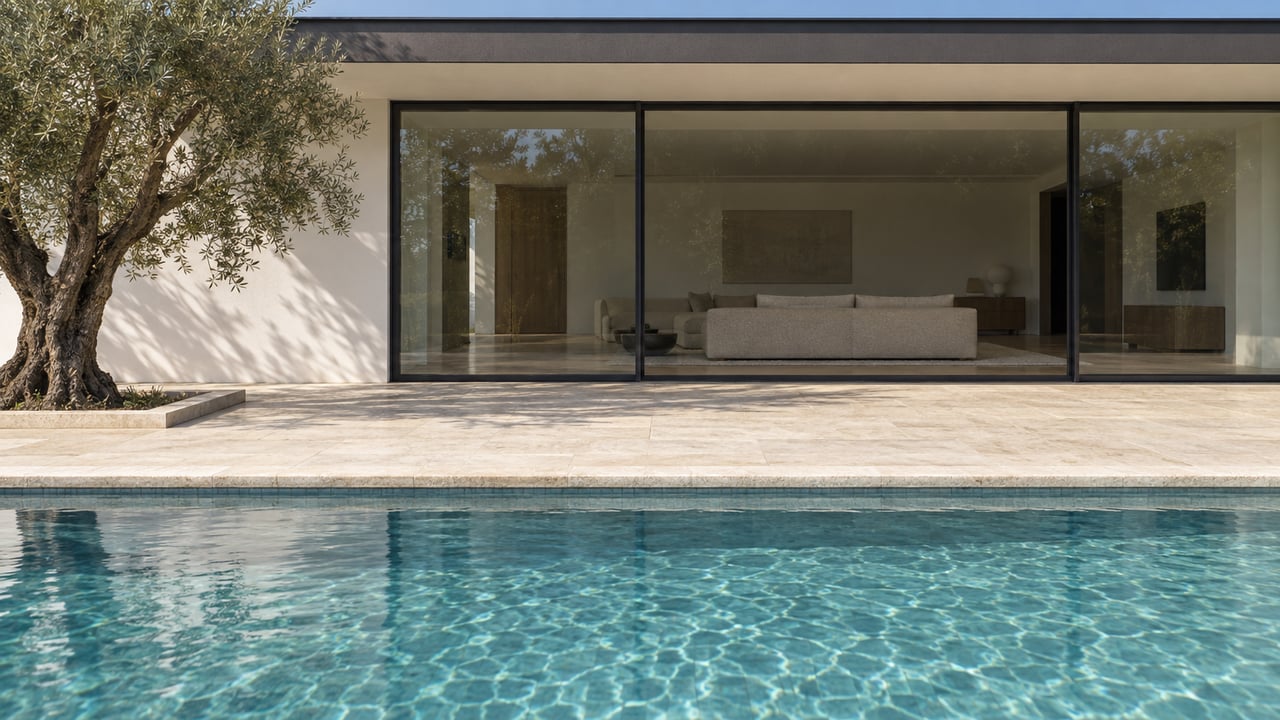
That design legacy continues in how modern homes are imagined today. Venice planning guidance highlights natural light, skylights, clerestory windows, integrated shading, open floor plans, visible stairwells, and interior communal areas that connect to the public realm. In plain terms, modern homes here are often built to feel brighter, more open, and more fluid.
What daily life feels like
In a modern Venice home, the lifestyle often revolves around openness and flexibility. Rooms may flow into one another with less visual separation, which can make everyday living feel more streamlined. That layout is often useful if you like to host, work from home, or move easily between indoor and outdoor spaces.
Design examples in Venice show how experimental this category can be. The 2-4-6-8 House, a 1978 Morphosis design, has been described as intentionally friendly with a do-it-yourself quality. Other local examples include compact modern houses, studio homes, and structures using glass, corrugated metal, and narrow-lot planning.
The result is a home type that often prioritizes design expression over traditional ornament. If a classic home invites you to notice trim, porch life, and historical detail, a modern home is more likely to focus your attention on volume, daylight, material contrast, and circulation.
Who tends to prefer modern homes
Modern Venice homes are often the better fit if you want contemporary flow and a layout that can adapt to multiple uses. You may prefer this style if your home needs to support entertaining, hybrid work, or a more design-forward lifestyle. For many buyers, the main draw is not just the look. It is the way the home functions from morning to night.
Live-Work Lofts: A Third Venice Lifestyle
In Venice, the conversation is not only classic versus modern. Live-work lofts create a third category with a very different day-to-day experience. They reflect Venice’s long connection to artists, makers, and creative reuse.
The draft Venice policy document explicitly supports live-work housing options that can combine productive activities with living space. It also describes a broader goal of walkable neighborhoods with pedestrian paths leading toward Ocean Front Walk and Venice Beach. That gives live-work housing a strong local logic.
Why live-work matters in Venice
Venice’s architectural history helps explain why this format feels natural here. Preservation and architecture sources describe artists and architects settling in the area, adaptively reusing buildings, and creating spaces that blend studio, residential, and work functions. Examples include shared studios, converted industrial buildings, and home-studio arrangements connected by loft-like layouts.
For daily life, the key benefit is efficiency. A live-work setup can bring your workspace, home base, and neighborhood amenities into one address. That can feel especially practical near active corridors like Abbot Kinney, Windward Avenue, Rose Avenue, and Ocean Front Walk.
Because Venice is served more by local buses, bike routes, walk streets, and neighborhood-scale mobility than by major rail access, some live-work blocks can support a relatively car-light routine. As always in Venice, the exact location matters.
How Location Changes the Lifestyle
In Venice, style alone does not tell the whole story. A classic bungalow near a walk street can feel very different from a classic home near a major corridor. A modern home close to the beach may offer a very different routine than a modern property farther inland.
The city’s draft policy framework describes how local businesses and amenities cluster along Lincoln, Washington, and parts of Venice Boulevard, while Ocean Front Walk, Windward Avenue, and Abbot Kinney function as major destination corridors. Rose Avenue is also identified as a restaurant corridor. That means your daily rhythm may depend as much on access to these areas as on the architecture itself.
Beach-close ownership has extra context
For homes near the shoreline, there is also a planning and resilience layer to consider. The Venice Local Coastal Program notes that coastal communities must address coastal hazards and sea-level rise. For buyers considering beach-adjacent ownership, that means the lifestyle comes with additional planning context beyond design and location alone.
Historic context can shape future plans
Venice also has an unusually layered preservation landscape. The draft plan notes 3 historic districts, 2 planning districts, 16 Historic-Cultural Monuments, and 209 SurveyLA resources. If you are considering renovation, expansion, or replacement, that context can make property decisions more location-sensitive and more design-specific.
Classic vs. Modern at a Glance
Here is the clearest way to compare the two main housing experiences in Venice:
| Home Style | Lifestyle Feel | Common Strengths | Best Fit For |
|---|---|---|---|
| Classic Venice homes | Character-rich, street-connected, garden-oriented | Porches, courtyards, mature texture, historic setting | Buyers who value charm, scale, and neighborhood feel |
| Modern Venice homes | Open, bright, flexible, design-forward | Daylight, open plans, contemporary circulation, entertaining flow | Buyers who want function, visual simplicity, and architectural individuality |
| Live-work lofts | Adaptive, efficient, mixed-use | Combined home and workspace, corridor convenience, creative layouts | Buyers who want flexibility and a blended daily routine |
Which Venice Home Fits You Best?
If you picture yourself opening the front door to a porch, a courtyard path, or a canal-side setting, a classic Venice home may feel right. These homes often offer a stronger sense of texture and neighborhood intimacy. They can be especially appealing if you value history and a home that feels rooted in place.
If you picture high ceilings, open sightlines, and rooms that shift easily from quiet mornings to evening gatherings, a modern Venice home may be the better match. These properties often support a more flexible routine and a cleaner architectural feel.
If your priority is integrating where you live with how you work or create, a live-work loft may offer the most practical fit of all. In Venice, that hybrid model is not an outlier. It is part of the neighborhood’s identity.
The real takeaway is simple: in Venice, architecture and lifestyle are deeply connected. Choosing well means looking beyond surface style and focusing on how a home supports your routine, your priorities, and the block-by-block experience you want.
Whether you are buying a distinctive Venice home or preparing one for market, strategy matters. Alphonso | Bjorn brings a data-driven, design-aware approach to Westside real estate, helping clients evaluate what makes a property stand out and how to position it for the best result.
FAQs
What is the difference between classic and modern Venice homes?
- Classic Venice homes generally emphasize character, smaller scale, porches, courtyards, and historic neighborhood texture, while modern Venice homes typically emphasize natural light, open floor plans, and more flexible contemporary layouts.
Are walk streets important when buying a Venice home?
- Yes. Venice planning documents show that some residential areas were developed around walk streets, and those blocks can create a more pedestrian-oriented daily experience than standard street-front layouts.
Do modern Venice homes support working from home?
- Often, yes. Venice planning guidance highlights open layouts, visible stairwells, communal interior areas, skylights, and natural light, which can support flexible day-to-day use, including work-from-home routines.
What makes canal-area Venice homes unique?
- Canal-area homes are tied to the historic Venice Canal system, which dates to 1905, and they offer a setting shaped by waterways, bridges, and a distinct historic layout within the neighborhood.
Does location matter as much as home style in Venice?
- Yes. In Venice, block-by-block location has a major effect on lifestyle because access to walk streets, destination corridors, the beach, bike routes, and local amenities varies widely across the neighborhood.
Are there special planning issues for beach-adjacent Venice homes?
- Yes. The Venice Local Coastal Program states that coastal communities must address coastal hazards and sea-level rise, so beach-adjacent ownership carries an added planning and resilience context.