Wondering how to choose the right home in West Hollywood when every block seems to offer a different version of city living? That is a real challenge here, because in a compact, highly walkable market, your lifestyle can shift dramatically from one street to the next. If you want to buy with more clarity and fewer surprises, this guide will help you compare location, property type, monthly costs, and due diligence priorities so you can make a smart decision with confidence. Let’s dive in.
Why West Hollywood feels so different
West Hollywood covers just 1.9 square miles, yet it offers distinct living experiences depending on where you buy. According to the City of West Hollywood, the city has 36,661 residents, 22,232 households, and a Walk Score of 91.
That walkability is a major reason buyers are drawn here. It also means that location is not just about resale value. It shapes your daily rhythm, from how often you can walk to dinner or errands to how much street activity you experience outside your door.
West Hollywood is also a deeply multi-family housing market. The city says four out of five housing units are in large multi-family buildings, and SCAG’s local profile shows that 79.3% of homes are in buildings with five or more units.
For you as a buyer, that changes the decision-making process. In many cases, you are not simply choosing a home. You are choosing a building, an HOA structure, a parking setup, and a very specific micro-location.
Start with your lifestyle first
The biggest mistake buyers make in West Hollywood is focusing on square footage before they define how they want to live. In a market like this, the same budget can buy very different experiences.
A home near nightlife and major corridors may offer unmatched convenience and energy. A home in a more residential pocket may feel calmer and more private, even if it is only minutes away.
Before you tour seriously, ask yourself a few practical questions:
- Do you want to walk to restaurants, nightlife, and daily errands?
- Do you prefer a quieter setting over being in the middle of the action?
- How important are privacy, guest parking, and dedicated parking?
- Do you want a lock-and-leave property for travel or a home with more separation and control?
- Might you want to rent the property out later?
If you answer those questions honestly, you will narrow your search much faster. In West Hollywood, the right home is often about convenience versus privacy, not just finishes or bedroom count.
Compare West Hollywood locations
Sunset Strip
The Sunset Strip runs roughly 1.5 miles from Crescent Heights to Doheny and is known for nightlife, hotels, and a more animated street scene. If you want immediate access to entertainment and do not mind more activity, this area can be a strong fit.
This is often the choice for buyers who value energy, visibility, and walkable access to restaurants and venues. If you are sensitive to noise or prefer a more tucked-away feel, it may not be your first choice.
Rainbow District
The Rainbow District along Santa Monica Boulevard stretches from La Cienega to Doheny and includes more than 50 LGBTQ-owned and allied businesses. It is one of the city’s most active areas for dining, nightlife, and community events.
If you want to be in the center of West Hollywood’s social and cultural activity, this location stands out. If your priority is a more residential setting, you may want to compare it with quieter pockets nearby.
Design District
The West Hollywood Design District is in the southwest portion of the city, framed by La Cienega, Doheny, Melrose, and Beverly. It centers around the Pacific Design Center and includes more than 200 storefronts, showrooms, cafes, and art-oriented destinations.
This area often appeals to buyers who care about design, style, and a polished urban environment. It can offer a different feel from the nightlife-heavy corridors, while still keeping you close to walkable amenities.
Residential pockets
If you want a more neighborhood-driven setting, West Hollywood also includes residential areas such as Norma Triangle and West Hollywood West. These are often the first places buyers compare when they want to stay in the city but step back from the busiest commercial strips.
For many buyers, these pockets strike the best balance. You can still enjoy the convenience West Hollywood is known for, while gaining a bit more separation from the most active corridors.
Choose the right property type
Condos for convenience
Condos are often the most practical lock-and-leave option in West Hollywood. They can work especially well if you travel often, want lower day-to-day maintenance, or prefer a building with shared amenities.
But convenience comes with trade-offs. The Consumer Financial Protection Bureau notes that HOA dues are usually paid separately from your mortgage and can range from a few hundred dollars per month to more than $1,000.
That means your true monthly cost may look very different from the purchase price alone. Always compare the mortgage, taxes, insurance, HOA dues, parking costs, and any possible special assessments together.
Townhomes for a middle ground
Townhomes and attached single-family homes can offer a middle ground between condo living and the privacy of a detached house. You may get fewer shared walls, more functional separation of space, and sometimes direct-entry parking.
The challenge is supply. According to SCAG, only 2.7% of West Hollywood housing stock is attached single-family, so townhomes are relatively scarce.
If you find one that fits your needs, competition can feel different than it does in the condo market. Scarcity can make the right unit especially valuable.
Single-family homes for privacy
Detached single-family homes are also limited in West Hollywood. SCAG reports that just 8.8% of units fall into this category.
If your priorities include privacy, outdoor space, or more control over the property itself, a detached home may be the best fit. In many cases, buyers looking for this option focus on the city’s more residential pockets rather than major entertainment corridors.
Pay close attention to building age
West Hollywood has a lot of character, and that character often comes from older housing stock. SCAG reports that 66.1% of the city’s housing was built before 1970.
That can be a major plus if you appreciate architecture and design. It can also mean you need to review maintenance history more carefully than you would in a newer building.
Older condos, townhomes, and houses may require closer attention to:
- Roof and plumbing history
- Electrical updates
- HVAC condition
- Earthquake retrofit work, if applicable
- Reserve funding and deferred maintenance in HOA buildings
- Rules governing renovations or exterior changes
A beautiful building is not always the simplest one to own. In West Hollywood, charm and due diligence often go hand in hand.
Let architecture guide your search
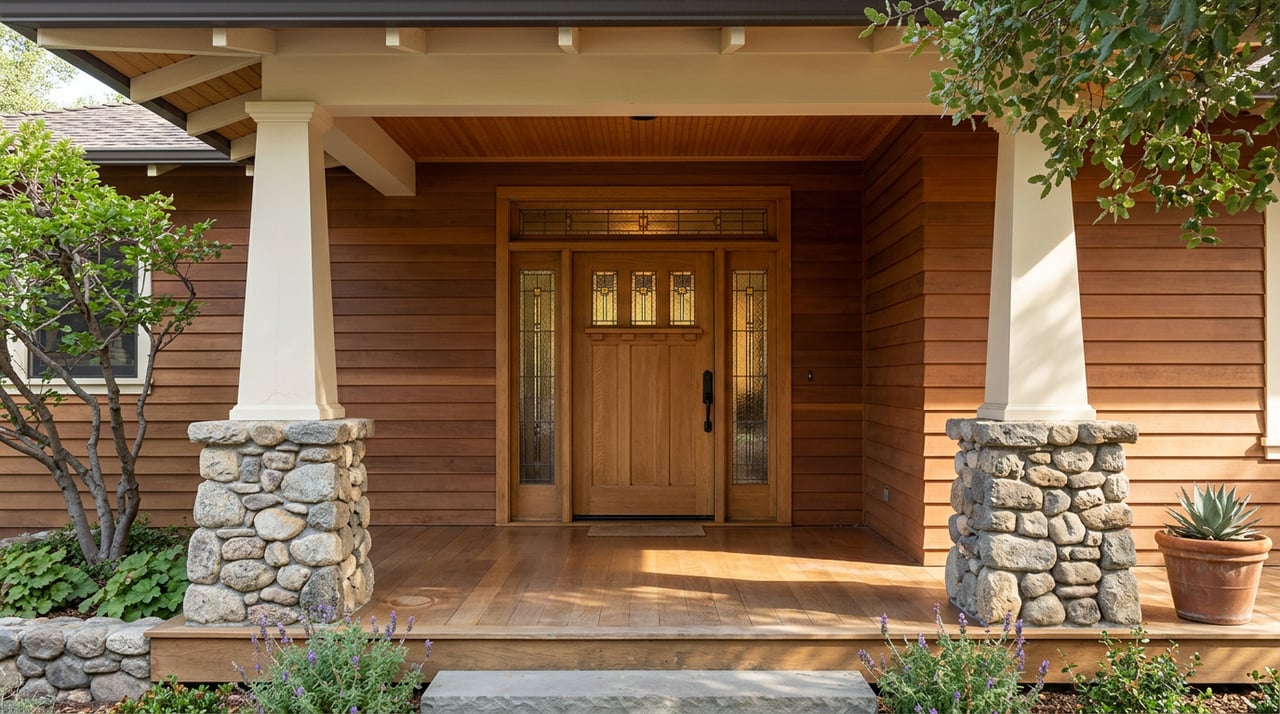
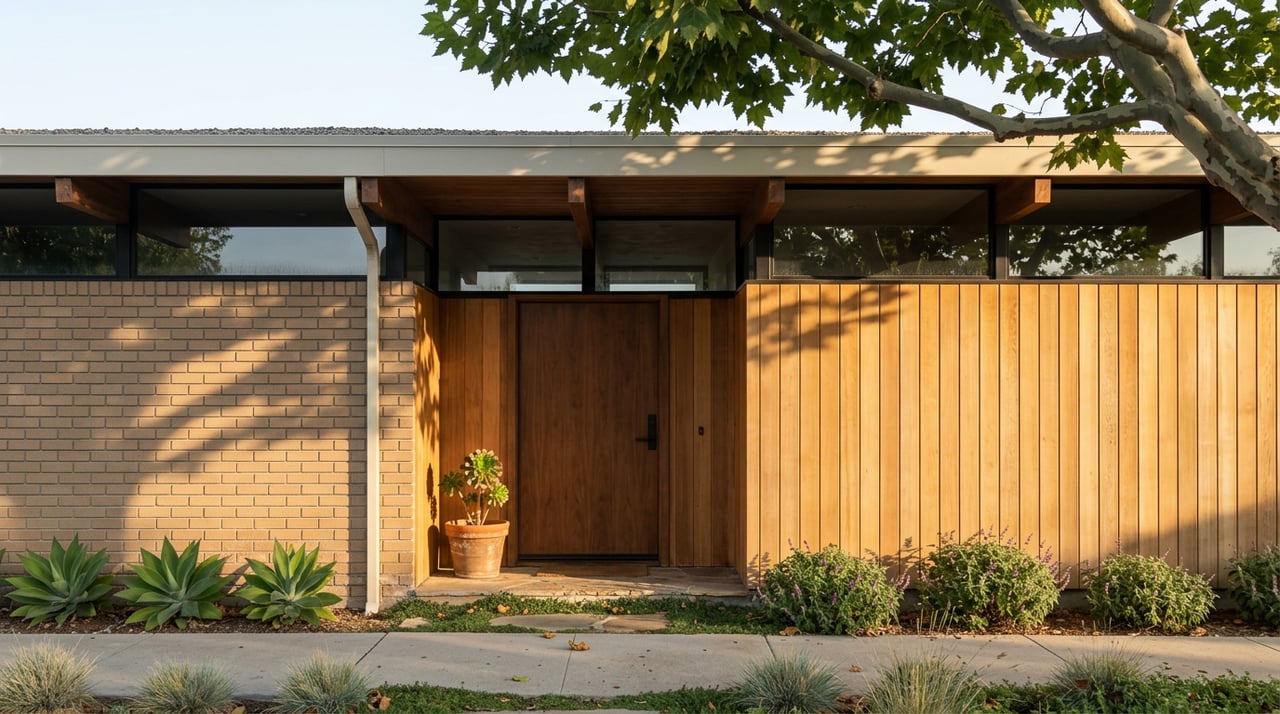
Architecture matters here more than it does in many markets. The city highlights more than 80 designated historic and cultural resources across six historic districts, with styles that include Spanish Revival, French Revival, Art Deco, Streamline Moderne, Craftsman, Mid-Century Modern, Tudor Revival, and Gothic-inspired design.
That means your search can be as much about aesthetic fit as practical fit. Some buyers want a crisp modern condo, while others want a courtyard building with original detail and period style.
The key is to separate emotional appeal from ownership realities. The city’s historic preservation materials show how many preserved properties combine strong design character with older systems and shared-building considerations.
If you love the architecture, make sure you also love the level of maintenance, HOA governance, and future responsibility that comes with it.
Verify parking before you commit
In a dense, walkable city, buyers sometimes assume parking will be straightforward. That is not always the case.
West Hollywood updated its parking code in 2023, and the city’s annual progress report notes that state laws have superseded minimum parking requirements in some situations. For you, that means parking should be verified property by property, not assumed based on building type.
Ask direct questions such as:
- Is the parking deeded, assigned, tandem, or off-site?
- How many spaces come with the unit?
- Is guest parking available?
- Are there any EV charging options or installation rules?
For many West Hollywood buyers, parking becomes a deciding factor once they compare two otherwise similar homes.
Think beyond the purchase price
West Hollywood is an expensive market by any mainstream measure. Current price snapshots in the research show average or median values near the $1 million range, depending on the source and methodology.
That makes it even more important to look past the headline number. A less expensive condo with high HOA dues and a looming assessment may cost more over time than a pricier home with lower monthly overhead.
A simple way to compare options is to evaluate each one through the same lens:
| Factor | Why it matters |
|---|---|
| Purchase price | Sets your financing and cash requirements |
| HOA dues | Adds to monthly ownership cost |
| Parking setup | Affects convenience and long-term value |
| Building age | Can influence maintenance and future repairs |
| Location type | Shapes lifestyle, walkability, and street activity |
| Rental rules | Matters if your plans may change later |
When you compare homes this way, your decision gets much clearer. You stop shopping emotionally and start buying strategically.
Check rental rules early
Even if you plan to live in the home full-time, it is smart to understand your future flexibility. According to the city’s lease term update, individually owned condominiums and single-family residences in West Hollywood have a one-year initial minimum lease term effective January 1, 2025, and some older rental units may also be subject to rent stabilization rules.
That does not matter only to investors. It matters to any buyer whose plans could change because of work, travel, or a later move.
If you think there is any chance you may rent the home in the future, confirm that the property’s rules align with your intended use before you move forward.
A practical West Hollywood checklist
Before you write an offer, make sure you can answer these questions clearly:
- Does this location match your ideal daily lifestyle?
- Are you choosing between energy and convenience, or privacy and separation?
- What is the full monthly cost, including HOA dues and parking?
- How old is the building, and what does its maintenance history show?
- Is the architecture worth the trade-offs that may come with age and upkeep?
- What exactly are the parking rights?
- If your plans change, do the rental rules still work for you?
In West Hollywood, buyers who ask better questions usually make better decisions. The market moves fast, but clarity still wins.
Choosing the right home here takes more than falling for a stylish interior or a great address. You need to match the property to how you actually want to live, then pressure-test the numbers, the building, and the block itself. If you want strategic guidance on buying in West Hollywood and the broader Westside, connect with Alphonso | Bjorn for tailored, data-driven advice.
FAQs
What is the most important factor when choosing a home in West Hollywood?
- The most important factor is usually lifestyle fit, because West Hollywood’s walkability, street activity, and housing mix can make two homes with similar prices feel completely different day to day.
What property type is most common in West Hollywood?
- Multi-family housing is the most common, with SCAG reporting that 79.3% of units are in buildings with five or more units.
What should buyers know about condo costs in West Hollywood?
- Buyers should know that HOA dues are typically separate from the mortgage payment, and the CFPB says those dues can range from a few hundred dollars per month to more than $1,000.
What should buyers verify about parking in West Hollywood?
- Buyers should verify whether parking is deeded, assigned, tandem, or off-site, because parking requirements can vary and should be confirmed unit by unit.
What should buyers know about older homes and buildings in West Hollywood?
- Buyers should know that much of the housing stock was built before 1970, so maintenance history, building systems, reserves, and HOA governance can be especially important during due diligence.
What should buyers know about renting out a West Hollywood home later?
- Buyers should know that individually owned condominiums and single-family residences have a one-year initial minimum lease term effective January 1, 2025, and some older rental units may also be affected by city rent stabilization rules.