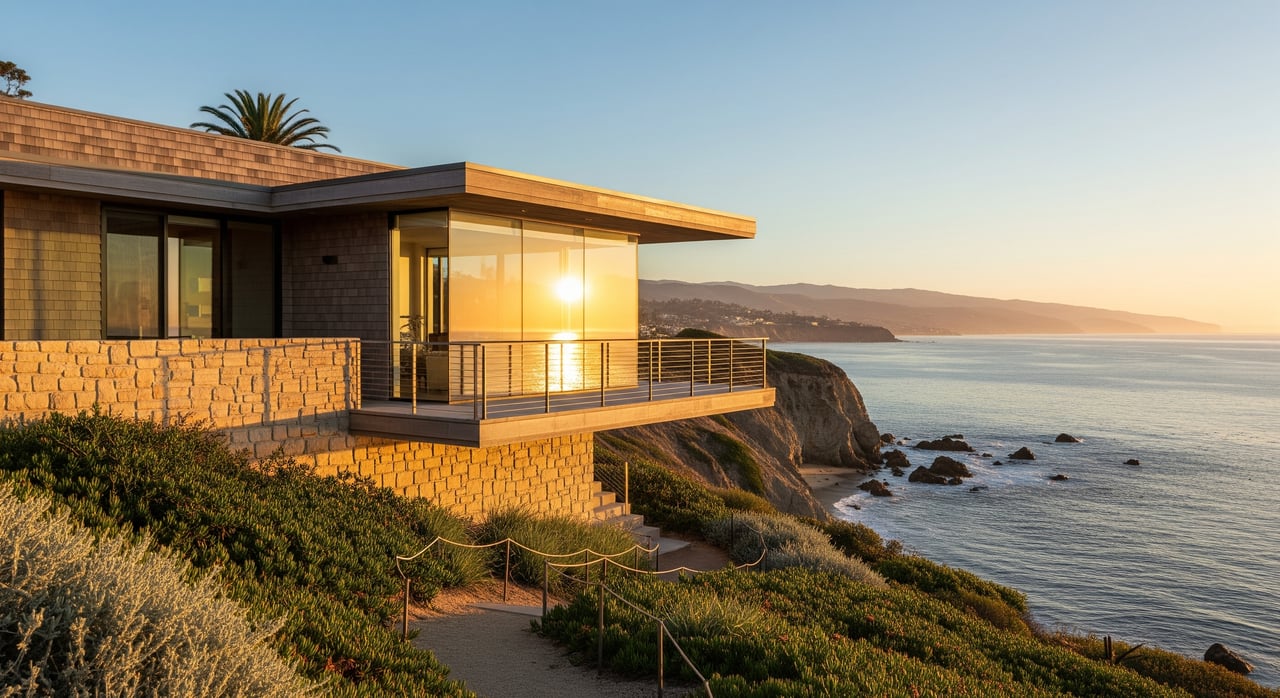
Thinking about a Malibu remodel or getting your home ready to sell? In the Coastal Zone, even small changes can trigger coastal permits and add time to your plans. If you know what a Coastal Development Permit is, when it is required, and how the process works, you can avoid costly delays and surprises in escrow. This guide gives you practical steps, realistic timelines, and sale-prep tips so you can plan with confidence. Let’s dive in.
What a Coastal Development Permit is
A Coastal Development Permit, or CDP, is the main tool used to review development in California’s Coastal Zone. The California Coastal Act sets the rules that protect public access, coastal resources, and visual quality. The City of Malibu uses a certified Local Coastal Program to apply those rules inside city limits.
Most homeowner projects are reviewed and decided by the City of Malibu. Some projects can be appealed to the California Coastal Commission, and a smaller set fall under the Commission’s original jurisdiction. Jurisdiction affects your process, public noticing, hearing schedule, appeal rights, and timing.
To understand the framework, read the California Coastal Commission’s permit overview and the Coastal Act itself. You can find high-level guidance on the Commission’s permit process and the Coastal Act in the Public Resources Code at the state’s code website under Division 20 California Coastal Act.
When a CDP is required in Malibu
Many projects need a CDP. In Malibu, you should assume a permit is likely if your project:
- Is on or seaward of a bluff top, within a bluff retreat area, or inside mapped coastal hazard zones.
- Adds to your home in a way that changes the footprint, grading, or drainage.
- Builds within setback areas or could affect public views or access.
- Proposes shoreline protection, such as a seawall or revetment.
- May affect public access, coastal trails, or environmentally sensitive habitat areas (ESHA).
Some work can be exempt, such as minor maintenance and emergency repairs. Exemptions are narrow and have documentation requirements. Do not assume your project is exempt. Always verify with City planning staff, and if there is any doubt about jurisdiction, confirm whether the Commission may be involved.
Permit steps and realistic timelines
Process and sequence matter in Malibu. Lining up the right studies and plans early can save months.
Start with pre-application research
Schedule a pre-application conversation with City planning staff. Confirm your lot’s Local Coastal Program designation, setback lines, any prior CDPs, recorded deed restrictions, and whether ESHA or public access easements are present. Understanding these limits shapes your design and your timeline.
Prepare technical studies and plans
Most coastal projects require specialized studies. Common needs include geotechnical or coastal engineering, biological surveys, drainage and stormwater plans, and architectural drawings showing height, materials, and grading. Where possible, run studies in parallel to keep momentum.
Submit and complete environmental review
After submittal, the City checks your application for completeness, then moves to a decision-making track. The City also determines if your project is exempt from CEQA or needs a CEQA document, such as a Negative Declaration, Mitigated Negative Declaration, or Environmental Impact Report. CEQA can add months, so factor it into your plan. For background, see the state’s CEQA overview.
Attend hearings and respond to conditions
Most discretionary projects require public notice and hearings with a Zoning Administrator or Planning Commission. If approved, your permit will include conditions that can include mitigation, monitoring, or deed restrictions. Building permits are issued only after plans match the CDP conditions.
Understand appeals and Commission review
City decisions in certain areas can be appealed to the California Coastal Commission. An appeal can add 6 to 12 months. Learn how the Commission’s appeals process works so you can plan your schedule with a buffer.
Typical timing to expect
- Small, straightforward remodels away from bluffs or ESHA: about 2 to 6 months.
- Moderate remodels with additions, grading, and multiple studies: about 6 to 12 months.
- Projects with CEQA documents, contested hearings, or Commission appeals: about 9 to 24 months or more.
Seasonal biology windows, consultant availability, and public opposition can extend these ranges. After-the-fact permits for unpermitted work often take longer and involve more conditions.
Required studies and typical conditions
Not every parcel needs every study, but many Malibu sites do. Expect the City to require some or all of the following:
- Geotechnical and coastal engineering report to evaluate bluff stability, erosion and retreat rates, liquefaction, slope stability, and safe setbacks.
- Coastal hazard and sea level rise assessment to show the project will be safe for its design life. For context on policy direction, see the Commission’s sea level rise guidance.
- Biological resources surveys to identify ESHA, nesting birds, and protected plants. Timing rules may limit when work can occur.
- Cultural and archaeological review if the area has known or likely resources.
- Hydrology, drainage, and stormwater plans to manage runoff and protect coastal waters.
- Visual analysis if the project could affect public views or ridgelines.
If approved, typical conditions include:
- Minimum bluff setbacks and defined building pads based on geotechnical findings.
- Seasonal limits on ground disturbance, biological monitoring, and restoration with native plants.
- Stormwater treatment and erosion control during and after construction.
- Monitoring and reporting by qualified professionals.
- Recorded deed restrictions, open-space easements, or monitoring agreements that bind future owners.
- Separate permits and higher scrutiny for shoreline protection. Armoring must usually be a last resort with no feasible alternative.
Selling a Malibu home: disclosures and risk
If you plan to sell, coastal permits influence your disclosure package and your escrow timeline. California requires a Transfer Disclosure Statement where you must disclose known defects and permit status, and a Natural Hazard Disclosure that flags flood, fire, earthquake, and coastal hazard zones.
In Malibu, also disclose recorded CDP conditions, deed restrictions, and any conservation easements from prior approvals. If you know of unpermitted work, you must disclose it. If you have geotechnical reports that identify bluff retreat, erosion, or flooding risks, discuss how to share those documents.
Lenders and insurers often require proof of final permits and occupancy for significant improvements. Unpermitted rooms, decks, or shoreline work can delay or derail financing. Title companies may limit coverage or require resolution of unpermitted development. Retrospective CDPs are possible, but they often require mitigation, fees, and sometimes partial removal.
Enforcement is real. Both the City and the Commission can require removal, remediation, civil penalties, or retroactive permits if unpermitted work is found. For the state’s perspective, review the Commission’s page on enforcement and unpermitted development.
A practical Malibu checklist
Use this checklist before you remodel or list your home:
- Verify jurisdiction and whether the City of Malibu or the Commission has any original jurisdiction over parts of your parcel.
- Pull permit history from City planning and building records. Gather prior CDPs, recorded conditions, and any deed restrictions.
- Order a Natural Hazard Disclosure early to inform design, pricing, and buyer expectations.
- Schedule a pre-application conversation with City planning staff to confirm triggers, studies, and likely conditions.
- Budget for consultants. Simple projects may require smaller budgets; blufftop or habitat-adjacent work and CEQA can reach into the tens of thousands.
- Sequence studies to avoid seasonal delays, especially biological surveys.
- Make sure geotechnical reports address bluff retreat and sea level rise for the full design life of the structure.
- Keep detailed records of any emergency repairs and all communications with City or Commission staff.
- If selling, disclose permit status and recorded conditions in your TDS and provide documents to buyers.
- If there is unpermitted work, develop a plan to remediate or pursue a retrospective CDP before listing if feasible, and disclose the issue if unresolved.
- Involve legal counsel or specialized consultants for shoreline armoring, suspected enforcement, or when a narrow approval timeline drives project economics.
Why early planning with your agent pays off
A smart plan connects permitting, design, and market timing. An experienced Malibu-focused team can help you scope risk early, align consultants, and decide whether to remediate or price around unresolved items. On the listing side, thoughtful preparation, targeted staging, and clear disclosures help you avoid surprises in escrow and keep leverage with buyers.
At Alphonso | Bjorn, we pair coastal process awareness with hands-on property preparation and a high-visibility launch. If you are renovating before selling, we help you sequence light improvements that respect permit conditions, then package the home’s story for premium market response. If you need to sell now, we help you decide which issues to cure and which to disclose, then position the home to maximize value within realistic timelines.
Ready to protect your timeline and your price? Connect with Alphonso | Bjorn to map your path.
FAQs
What is a Coastal Development Permit in Malibu?
- A CDP is the permit that regulates development in the Coastal Zone to ensure consistency with the Coastal Act and Malibu’s Local Coastal Program.
When do Malibu remodels trigger a CDP?
- Additions, new grading, drainage changes, shoreline work, projects near bluffs or ESHA, and anything that could affect public views or access commonly require a CDP.
How long does a Malibu CDP take for a remodel?
- Simple interior-focused projects can take about 2 to 6 months, moderate additions about 6 to 12 months, and projects with CEQA or appeals 9 to 24 months or more.
Can the California Coastal Commission appeal add time?
- Yes. Appeals to the Commission typically add 6 to 12 months and include new hearings and possible added conditions. Learn more about the appeals process.
What disclosures do Malibu sellers need for coastal permits?
- You must complete the Transfer Disclosure Statement and Natural Hazard Disclosure, and disclose recorded CDP conditions, deed restrictions, and any known unpermitted work.
Will unpermitted work block buyer financing?
- It can. Many lenders and insurers require final permits and occupancy approvals for major improvements. Buyers may demand remediation or price reductions.
Are CDP conditions binding on new owners?
- Yes. Many conditions are recorded and run with the land, so they bind future owners unless modified by a new approval.
Where can I read official coastal rules?
- See the Commission’s permit overview and the California Coastal Act. For CEQA background, visit the state’s CEQA overview.